Volver al listado
Volver al listado
Ambar
Yacimientos Principales
Ámbar encontramos en el Báltico, República Dominicana, México, Madagascar y Colombia para uso comercial, siendo los dos últimos no muy aceptados como ámbar por su corta edad fósil (en este caso adoptan el nombre de copal). A nivel científico, España posee varios de los yacimientos más importantes a nivel mundial: Cantabria, Teruel y Burgos.
Descripción y Características
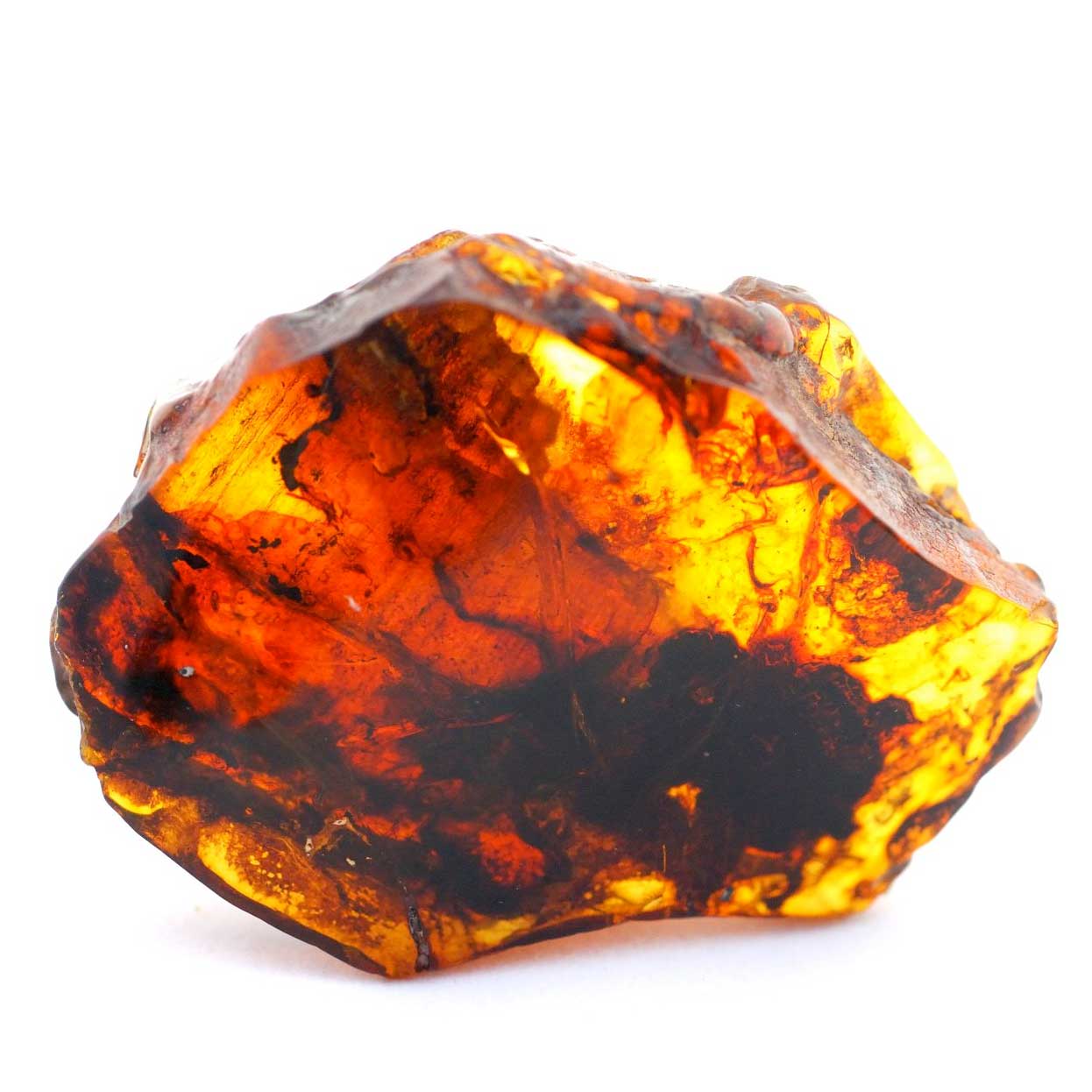
El ámbar no es un mineral propiamente dicho. Se trata de una resina fosilizada con, al menos, 100.000 años, aunque la mayoría de piezas suelen tener millones de años.
El ámbar está clasificado como un compendio orgánico. Encontramos multitud de yacimientos de ámbar por el mundo. Unos explotados comercialmente y, otros de muy especial interés por sus aportaciones científicas por la cantidad de restos fósiles que se encuentran en su interior.
El ámbar suele ser resina de coníferas (Pinus succinifera) a partir de “heridas” producidas en los árboles.
El ámbar está clasificado como un compendio orgánico. Encontramos multitud de yacimientos de ámbar por el mundo. Unos explotados comercialmente y, otros de muy especial interés por sus aportaciones científicas por la cantidad de restos fósiles que se encuentran en su interior.
El ámbar suele ser resina de coníferas (Pinus succinifera) a partir de “heridas” producidas en los árboles.
| Fórmula Química | $$C₁₀H₁₆O$$ |
|---|---|
| Lustre | Viítreo una vez pulido |
| Raya | Blanca |
| Fractura | Concoidea |
| Exfoliación | Nula |
| Dureza | 2-2,5 Mohs |
| Sistema | Amorfo |
¿Sabías que...?
Etimología
El origen del nombre procede del árabe que significa “lo que flota en el mar”.
El origen del nombre procede del árabe que significa “lo que flota en el mar”.
Propiedades New-Age
El ámbar tiene intensas conexiones con la Tierra y es una piedra que asienta las energías superiores.
El ámbar es una poderosa sanadora y limpiadora que aleja las enfermedades del cuerpo así como limpia el entorno y los chacras. Absorbe las energías negativas y las transmuta en positivas.
Psicológicamente aporta estabilidad a la vida, pero también motiva, vinculando el objeto del deseo con el impulso para conseguirlo.
Mentalmente estimula el intelecto, despeja la depresión y favorece un estado mental positivo. Aporta equilibrio y paciencia.
Espiritualmente, el ámbar ayuda a ser más altruista a la vez que aporta sabiduría.
A nivel curativo, el ámbar es un poderoso limpiador y sanador de los chacras.
Llévala puesta durante largo periodos de tiempo, especialmente en la muñeca o en la garganta.
El ámbar es una poderosa sanadora y limpiadora que aleja las enfermedades del cuerpo así como limpia el entorno y los chacras. Absorbe las energías negativas y las transmuta en positivas.
Psicológicamente aporta estabilidad a la vida, pero también motiva, vinculando el objeto del deseo con el impulso para conseguirlo.
Mentalmente estimula el intelecto, despeja la depresión y favorece un estado mental positivo. Aporta equilibrio y paciencia.
Espiritualmente, el ámbar ayuda a ser más altruista a la vez que aporta sabiduría.
A nivel curativo, el ámbar es un poderoso limpiador y sanador de los chacras.
Llévala puesta durante largo periodos de tiempo, especialmente en la muñeca o en la garganta.
Usos de Ambar
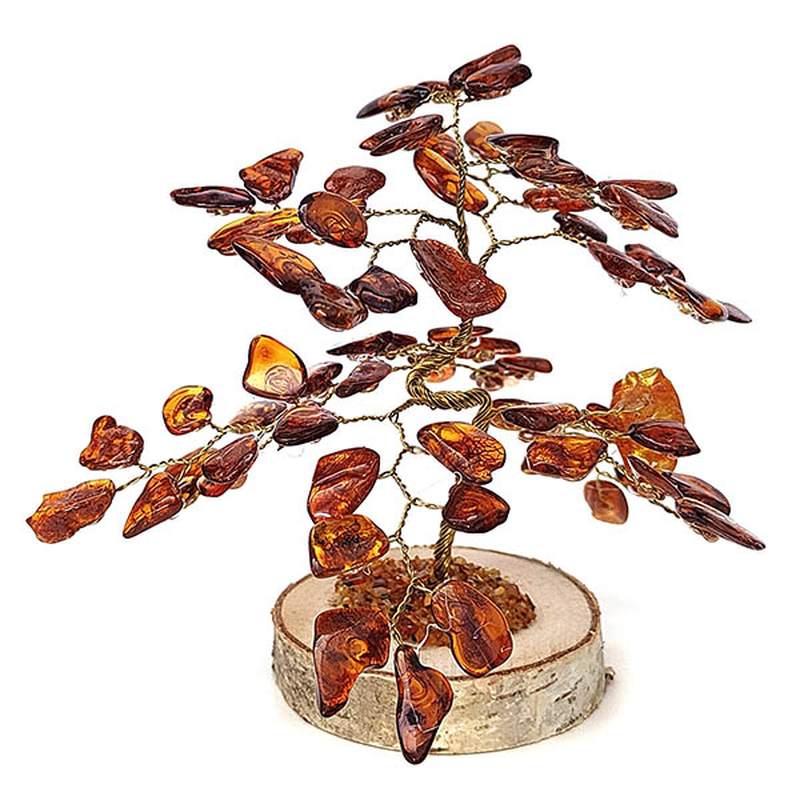
El ámbar se suele utilizar para motivos decorativos.