Volver al listado
Volver al listado
Anhidrita
Yacimientos Principales
Abundantes en Alemania cerca de Hannover, Gran Bretaña, Francia, Austria, USA, India, Rusia, Chile.
Descripción y Características
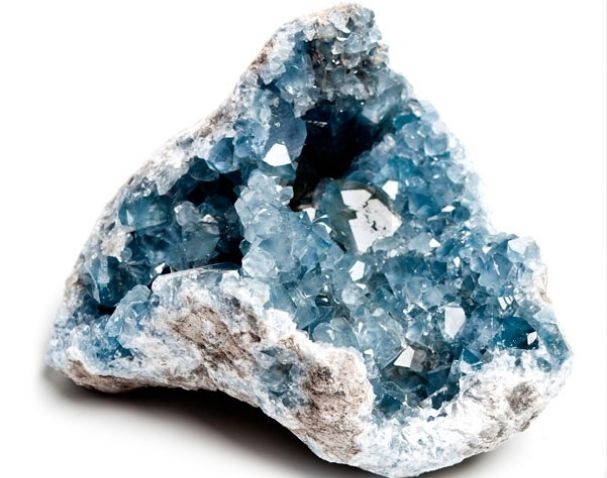
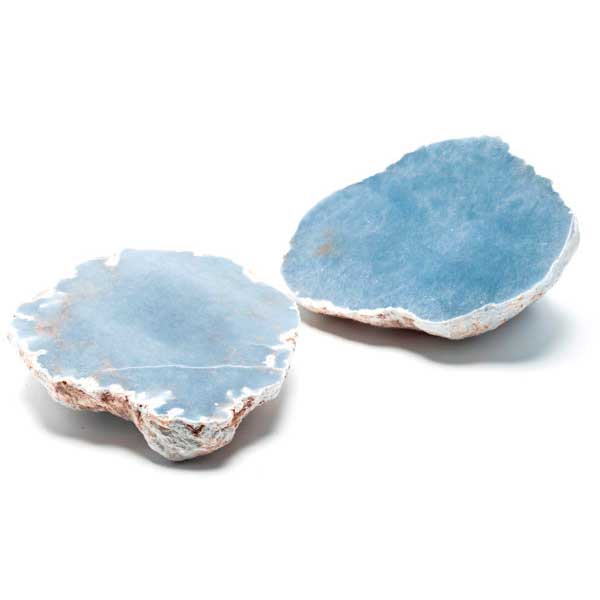
La anhidrita es un sulfato de calcio anhidro que se localiza principalmente en depósitos de rocas sedimentarias de tipo evaporítico, formándose por la deshidratación del yeso o por la precipitación directa de soluciones salinas en condiciones de alta temperatura. Pertenece al sistema de cristalización ortorrómbico y se presenta habitualmente en masas granulares o fibrosas de color blanco, gris o azulado; es un mineral de gran importancia industrial y geológica, caracterizado por su capacidad de absorber agua para aumentar su volumen y transformarse en yeso, lo que genera cambios significativos en la estructura de los estratos donde se encuentra.
| Fórmula Química | $$CaSO₄$$ |
|---|---|
| Lustre | Viítreo a nacarado |
| Raya | Blanca |
| Fractura | Irregular a astillosa |
| Exfoliación | Perfecta |
| Dureza | 3,5 Mohs |
| Sistema | Ortorrómbico |
¿Sabías que...?
El nombre proviene del griego anhydros, que significa "sin agua", destacando su principal diferencia con el yeso. En minería y construcción es un mineral que requiere precaución, ya que si se hidrata dentro de una montaña o estructura, su expansión puede ejercer presiones masivas capaces de levantar túneles o edificios.