
Volver al listado
Volver al listado
Citrino
Yacimientos Principales
Brasil (principal productor), Madagascar, España, Rusia, Escocia, Uruguay, Estados Unidos.
Descripción y Características
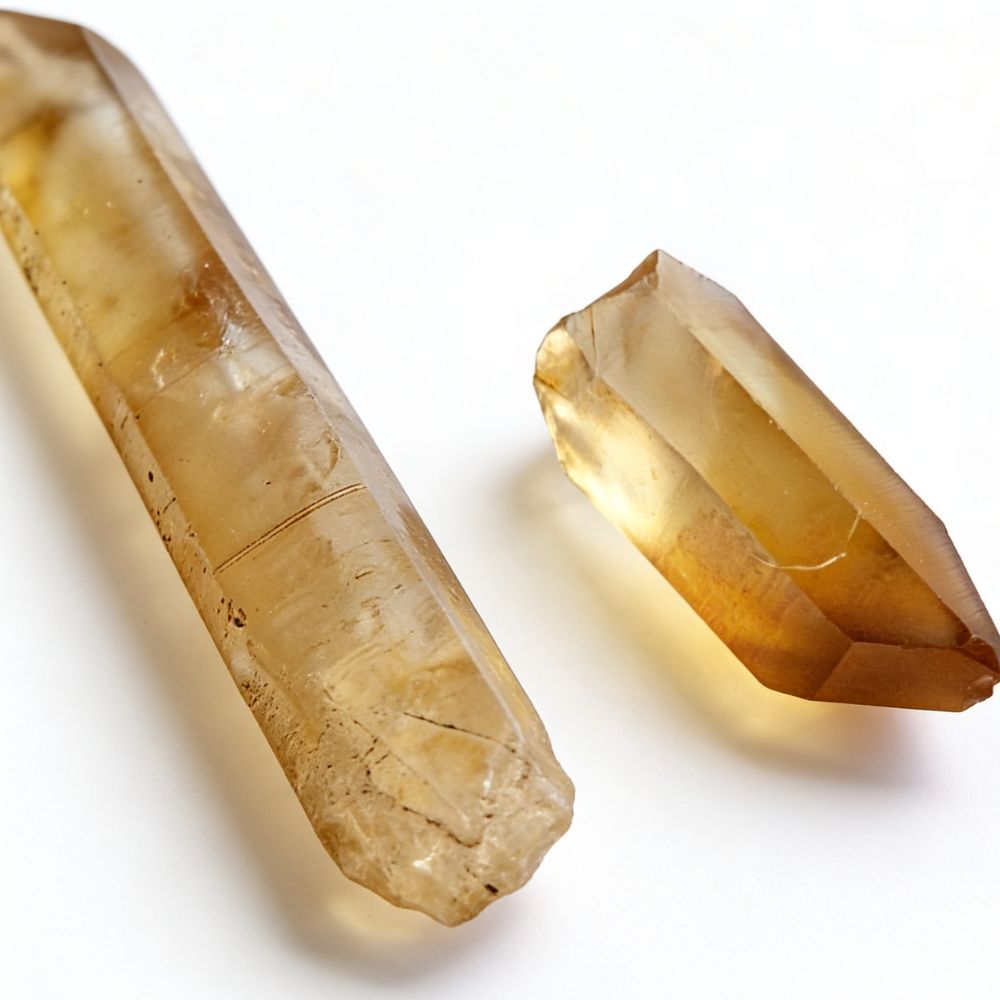
El citrino es una variedad del cuarzo que destaca por sus tonos amarillos, dorados o anaranjados. Pertenece al sistema de cristalización trigonal, es de origen magmático o hidrotermal y debe su color a la presencia de trazas de hierro en su estructura cristalina durante su formación.
Una vez tallado o pulido el citrino, podemos apreciar su gran transparencia y brillo vítreo, que lo convierten en una de las gemas amarillas más populares en joyería. Aunque en la naturaleza es una piedra poco común, la mayor parte del citrino comercial se obtiene mediante el tratamiento térmico de la amatista, proceso que transforma su color púrpura original en un tono miel o ámbar profundo debido a la alteración del hierro.
Una vez tallado o pulido el citrino, podemos apreciar su gran transparencia y brillo vítreo, que lo convierten en una de las gemas amarillas más populares en joyería. Aunque en la naturaleza es una piedra poco común, la mayor parte del citrino comercial se obtiene mediante el tratamiento térmico de la amatista, proceso que transforma su color púrpura original en un tono miel o ámbar profundo debido a la alteración del hierro.
| Fórmula Química | $$SiO_{2}$$ |
|---|---|
| Lustre | Vítreo |
| Raya | Blanca |
| Fractura | Concoidea |
| Exfoliación | Nula |
| Dureza | 7 Mohs |
| Sistema | Trigonal |
¿Sabías que...?
En la antigüedad se le conocía como la "piedra de los mercaderes" y se llevaba en la bolsa del dinero para que este nunca se agotara. El citrino natural auténtico es bastante raro de encontrar; si ves uno de color naranja muy intenso con la base blanca, casi seguro es amatista calentada en horno.
Propiedades New-Age
El citrino es uno de los pocos minerales que no necesita limpieza, ya que no acumula energía negativa, sino que la transmuta y la disipa. Es conocido como "el gran regenerador".
Usos de Citrino
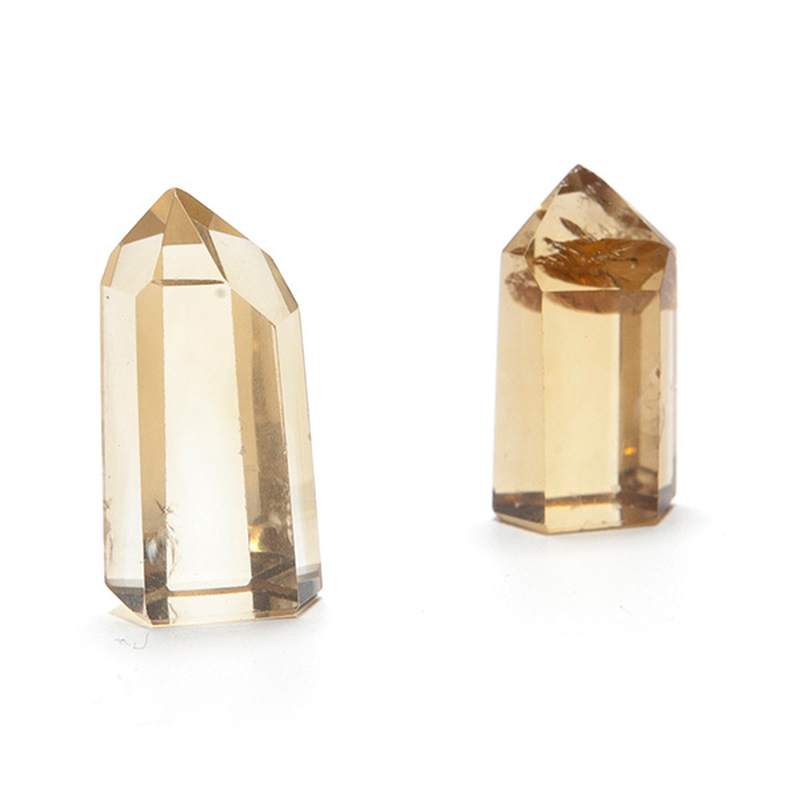
El citrino se suele comercializar en geodas, drusas y elementos de bisutería, entre otros.