Volver al listado
Volver al listado
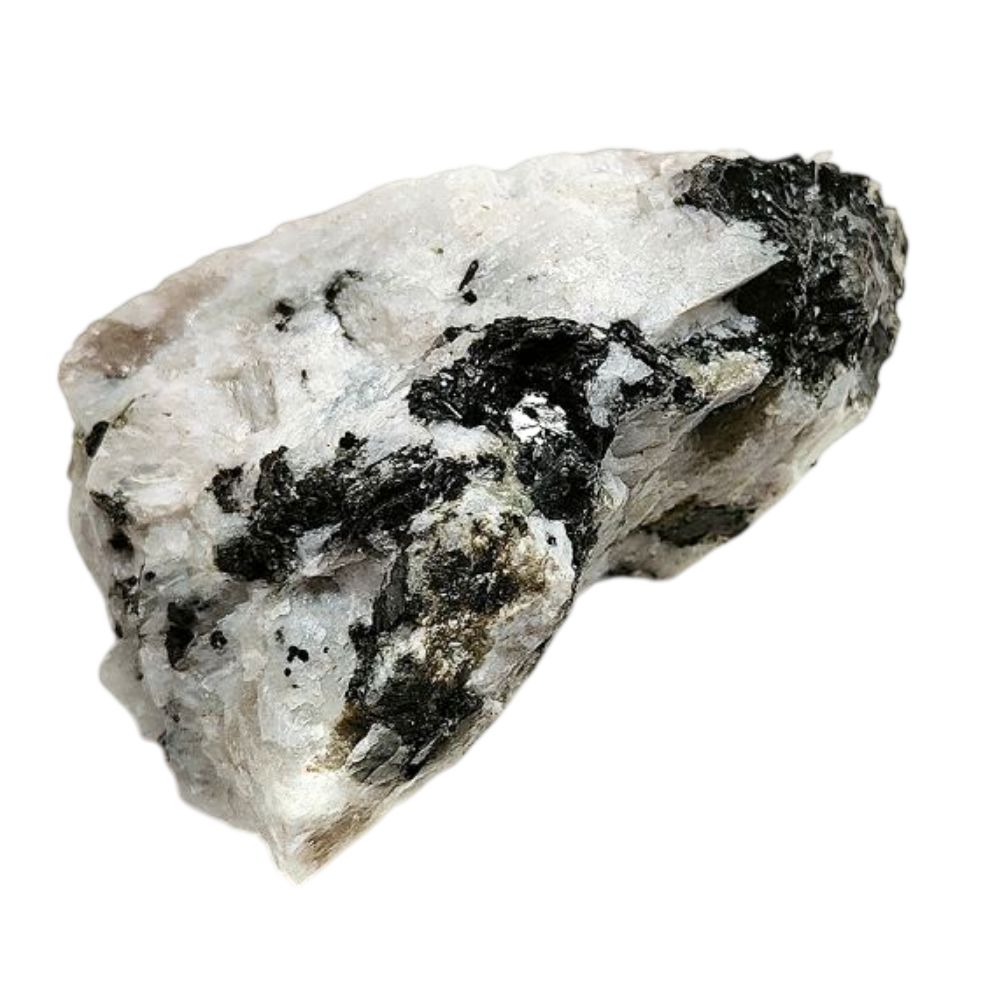
Piedra Luna
Yacimientos Principales
Sri Lanka (los mejores ejemplares azules), India, Birmania, Madagascar y Tanzania
Descripción y Características
La piedra luna es una variedad de ortoclasa (feldespato potásico) que presenta un fenómeno óptico único llamado adularescencia. Este efecto consiste en un resplandor azulado o blanquecino que parece flotar justo debajo de la superficie de la piedra cuando se mueve. Se forma por la presencia de capas alternas de ortoclasa y albita que difractan la luz. Es una gema translúcida que, aunque puede presentarse en varios colores, es más valorada cuanto más transparente es y más azulado es su brillo. Ha sido utilizada en joyería desde las civilizaciones clásicas, alcanzando su máximo esplendor durante el periodo Art Nouveau.
| Fórmula Química | $$(K,Na)AlSi₃O₈$$ |
|---|---|
| Lustre | Vítreo a perlado |
| Raya | Blanca |
| Fractura | Concoidea a irregular |
| Exfoliación | Perfecta en dos direcciones |
| Dureza | 6-6,5 Mohs |
| Sistema | Monoclínico |
¿Sabías que...?
En la antigua Roma, se creía que la piedra luna estaba formada por gotas de luz lunar solidificada. Un dato importante para los compradores: lo que a menudo se vende como "Piedra Luna Arcoíris" es técnicamente una variedad de Labradorita blanca, no una piedra luna auténtica (ortoclasa). Para mantener su brillo, debe evitarse el contacto con productos químicos y limpiarse únicamente con agua tibia y jabón neutro. Al tener una exfoliación perfecta, es una piedra sensible a los golpes secos, por lo que se recomienda protegerla bien en anillos y pulseras.
Propiedades New-Age
La piedra luna es la piedra de los "nuevos comienzos" y está profundamente vinculada con la energía femenina y la Luna. Es una piedra de introspección que ayuda a equilibrar los ciclos hormonales y emocionales. Espiritualmente, potencia la intuición y las capacidades psíquicas, siendo ideal para la meditación y el trabajo con los sueños. Mentalmente, calma las reacciones excesivas ante situaciones estresantes y ayuda a distinguir entre la realidad y la ilusión. Es una compañera perfecta para quienes viajan por mar o de noche, y se dice que aporta suerte en los asuntos del corazón.