
Volver al listado
Volver al listado
Rubi
Yacimientos Principales
Birmania (Myanmar, los más finos), Sri Lanka, Tailandia, Madagascar y Mozambique
Descripción y Características
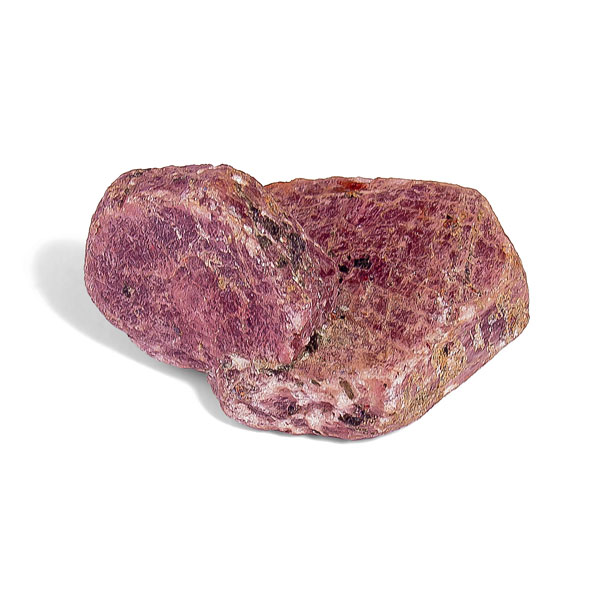
El rubí es la variedad roja del corindón, un óxido de aluminio que debe su color intenso a la presencia de cromo en su estructura química. Es, junto al diamante, el zafiro y la esmeralda, una de las cuatro gemas preciosas tradicionales. Se forma principalmente en rocas metamórficas como mármoles o en depósitos aluviales. Es un mineral excepcionalmente duro, solo superado por el diamante, lo que lo hace ideal para la alta joyería. Su color puede variar desde un rojo anaranjado hasta un rojo púrpura, siendo el tono "sangre de pichón" el más codiciado y valioso del mundo.
| Fórmula Química | $$A_{l2}O_3$$ |
|---|---|
| Lustre | Adamantino a vítreo |
| Raya | Blanca |
| Fractura | Concoidea a irregular |
| Exfoliación | Nula (aunque presenta partición romboédrica) |
| Dureza | 9 Mohs |
| Sistema | Trigonal |
¿Sabías que...?
Su nombre proviene del latín ruber (rojo). Un rubí y un zafiro son químicamente lo mismo (corindón); la única diferencia es el color: si es rojo, es rubí; cualquier otro color es zafiro. En la antigüedad, los hindúes creían que los rubíes eran "gotas de sangre del corazón de la Tierra". Debido a su estructura, muchos rubíes naturales presentan fluorescencia bajo luz ultravioleta, lo que hace que parezcan brillar desde dentro como si estuvieran encendidos.
Propiedades New-Age
El rubí es conocido como la "piedra del sol" y el vigor. Está profundamente vinculado al chakra raíz, estimulando la energía vital (chi) y la pasión por la vida. Se dice que aporta coraje, confianza y ayuda a superar el agotamiento o el letargo. Espiritualmente, es una piedra de abundancia que ayuda a retener la riqueza y la pasión en las relaciones. Actúa como un escudo contra los ataques psíquicos y promueve sueños positivos, permitiendo que el portador se sienta centrado y conectado con su poder personal.