Volver al listado
Volver al listado
Tectita
Yacimientos Principales
Sudeste asiático (Indochinitas), República Checa (Moldavitas), Australia y Egipto (Desierto del Sáhara)
Descripción y Características
La tectita es conocida como la "piedra de la comunicación extraterrestre" y la expansión de la conciencia. Al ser un producto de una colisión entre el cielo y la tierra, se dice que ayuda a conectar con energías de otros mundos y planos superiores. Es una piedra de alta vibración que acelera el crecimiento espiritual y fortalece el campo áurico. Ayuda a liberar experiencias traumáticas del pasado y a enfocarse en el aprendizaje futuro. Se utiliza a menudo para equilibrar las polaridades masculina y femenina y para fomentar la telepatía y la visión psíquica.
| Fórmula Química | $$SiO_{2}$$ |
|---|---|
| Lustre | Vítreo |
| Raya | Blanca |
| Fractura | Concoidea |
| Exfoliación | Nula |
| Dureza | 5.5-6.5 Mohs |
| Sistema | Amorfo (sin estructura cristalina) |
¿Sabías que...?
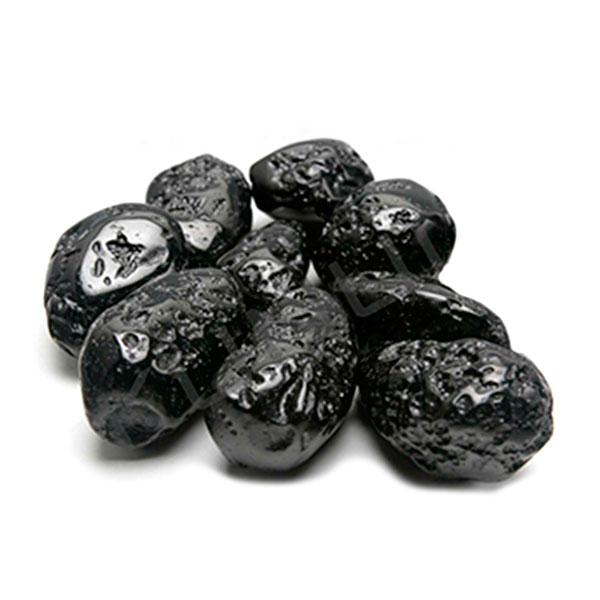
Las tectitas más famosas son las Moldavitas, que se distinguen por su color verde translúcido y su superficie rugosa; son muy escasas y valiosas. Un dato fascinante es que las tectitas suelen encontrarse en áreas específicas llamadas "campos de esparcimiento", que pueden cubrir miles de kilómetros cuadrados. Su superficie suele estar llena de pequeñas marcas llamadas sculpting, causadas por la fricción con el aire a temperaturas altísimas durante su reentrada a la atmósfera.
Propiedades New-Age
La tectita es conocida como la "piedra de la comunicación extraterrestre" y la expansión de la conciencia. Al ser un producto de una colisión entre el cielo y la tierra, se dice que ayuda a conectar con energías de otros mundos y planos superiores. Es una piedra de alta vibración que acelera el crecimiento espiritual y fortalece el campo áurico. Ayuda a liberar experiencias traumáticas del pasado y a enfocarse en el aprendizaje futuro. Se utiliza a menudo para equilibrar las polaridades masculina y femenina y para fomentar la telepatía y la visión psíquica.