Volver al listado
Volver al listado
Turquesa
Yacimientos Principales
Irán (las más puras), Estados Unidos (Arizona y Nevada), China, México y Egipto
Descripción y Características
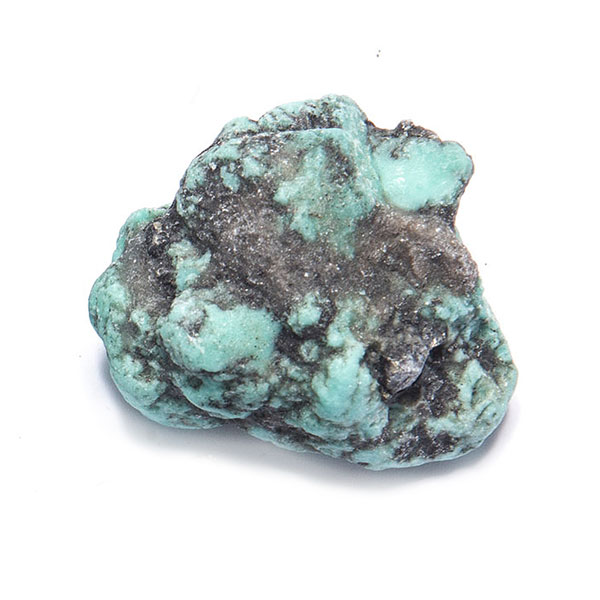
La turquesa es un fosfato hidratado de cobre y aluminio. Es un mineral secundario que se forma en zonas áridas por la filtración de aguas ricas en minerales a través de rocas ricas en fósforo y metales. Su color azul cielo característico se debe al cobre, mientras que los tonos más verdosos indican la presencia de hierro. A menudo presenta vetas oscuras de color marrón o negro (matriz), que son restos de la roca madre (como limonita o jaspe). Es una piedra opaca, de estructura criptocristalina, lo que le da una textura suave y cerosa muy agradable al tacto.
| Fórmula Química | $$CuAl_6[(OH)_2(PO_4)_4] \cdot 4H_2O$$ |
|---|---|
| Lustre | Ceroso a subvítreo |
| Raya | Blanca azulada o verdosa |
| Fractura | Concoidea a irregular |
| Exfoliación | Perfecta (pero raramente visible debido a su estructura masiva) |
| Dureza | 5-6 Mohs |
| Sistema | Triclínico |
¿Sabías que...?
Su nombre proviene del francés turquois, que significa "turco", ya que la piedra llegó a Europa a través de las rutas comerciales que pasaban por Turquía. Es una gema porosa, lo que significa que puede absorber perfumes, aceites o sudor, cambiando su color permanentemente hacia un tono más verdoso con el tiempo. Por ello, nunca debe limpiarse con jabones o ultrasonidos; basta con un paño suave. En la cultura nativa americana (Navajo y Zuni), la turquesa es sagrada y se utiliza para conectar con los espíritus del cielo y asegurar la lluvia.
Propiedades New-Age
La turquesa es considerada la "piedra del puente" entre el cielo y la tierra. Está profundamente vinculada al chakra de la garganta, facilitando la comunicación honesta y la expresión creativa. Es una piedra sanadora por excelencia que aporta bienestar al cuerpo y solidez al espíritu. Se cree que protege al viajero y que cambia de color para advertir a su dueño de un peligro inminente o de una enfermedad. Promueve la sintonía espiritual, disipa la energía negativa y ayuda a encontrar soluciones creativas a los problemas, infundiendo calma interna.
Usos de Turquesa
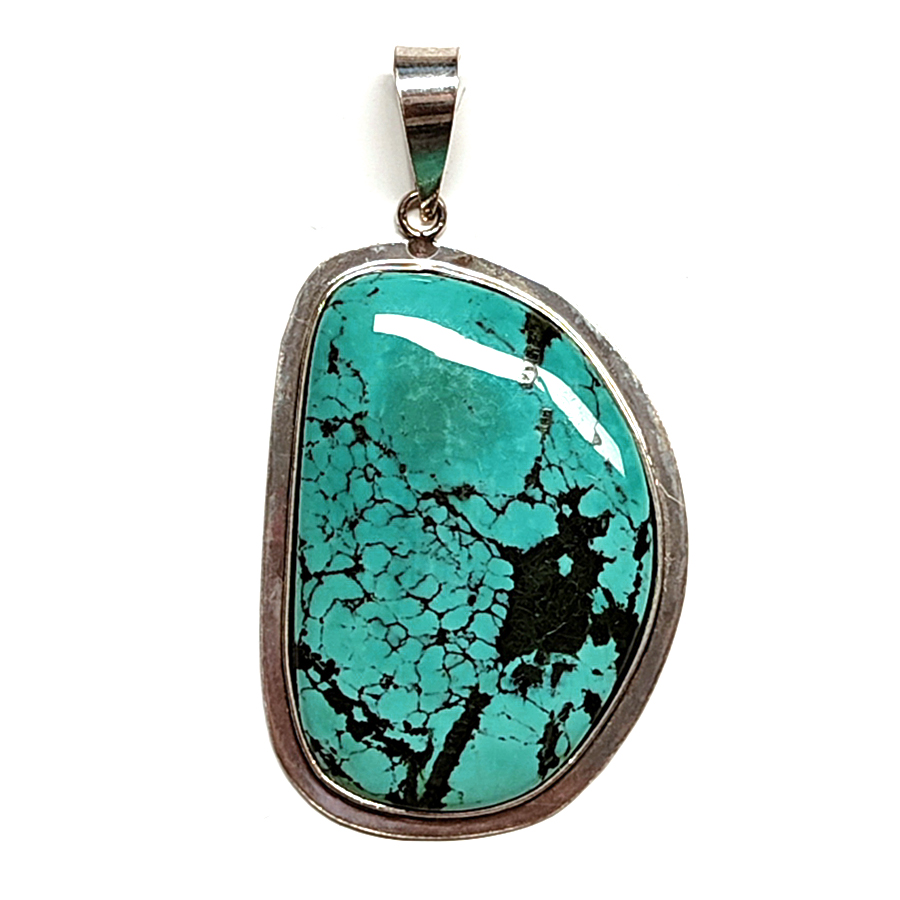
Se utiliza extensamente en la joyería étnica y artesanal, especialmente montada en plata. También es común verla en mosaicos, amuletos y objetos de arte debido a su facilidad para ser tallada.