Volver al listado
Volver al listado
Ulexita
Yacimientos Principales
Estados Unidos (Valle de la Muerte, California), Chile, Argentina, Perú y Turquía
Descripción y Características
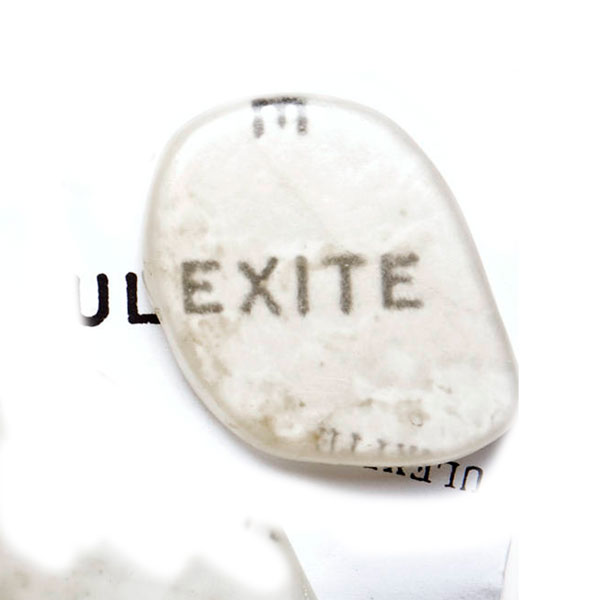
La ulexita es un borato hidratado de sodio y calcio que se forma principalmente en cuencas áridas y playas (lagos secos) por la evaporación de aguas ricas en boro. Su estructura es fibrosa, compuesta por miles de cristales capilares paralelos tan finos como cabellos. Esta disposición actúa como una red de fibra óptica natural: cuando una pieza de ulexita con caras pulidas se coloca sobre una imagen o un texto, las fibras proyectan la imagen directamente a la superficie superior de la piedra, haciendo que parezca que el dibujo "flota" sobre ella.
| Fórmula Química | $$NaCaB_5O_9·_8H_2O$$ |
|---|---|
| Lustre | Vítreo a sedoso |
| Raya | Blanca |
| Fractura | Irregular a fibrosa |
| Exfoliación | Perfecta en una dirección |
| Dureza | 2,5 Mohs |
| Sistema | Triclínico |
¿Sabías que...?
Su apodo, "piedra televisión", es tan famoso que a menudo se vende bajo ese nombre en tiendas de geología. Un dato crucial para su mantenimiento: la ulexita es sensible al agua. Si se sumerge, las delicadas fibras pueden empezar a disolverse o la piedra puede volverse opaca, perdiendo su efecto óptico. Es un mineral muy blando que se puede rayar con una moneda, por lo que debe guardarse separada de otras piedras más duras. Fue nombrada en honor al químico alemán Georg Ludwig Ulex, quien la identificó por primera vez a mediados del siglo XIX.
Propiedades New-Age
La ulexita es conocida como la "piedra de la claridad visual" y la telepatía. Se asocia con el chakra del tercer ojo, ayudando a "ver" más allá de las apariencias y a desarrollar la intuición. Es una piedra excelente para la meditación, ya que ayuda a enfocar la mente y a conectar con el ser interior. Espiritualmente, se dice que amplifica las intenciones y ayuda a interpretar los sueños y las visiones. Es muy valorada por quienes buscan objetividad en situaciones confusas, ya que su energía ayuda a discernir la verdad y a ver soluciones creativas a problemas complejos.